
Knitwear Gauge Guide
When developing a custom sweater collection, choosing the right yarn is only part of the process. Another important decision is selecting the appropriate knitting gauge.
You may have seen terms such as 3G, 5G, 7G, 12G, 14G, 16G or 18G when communicating with a knitwear manufacturer. But what do these numbers mean, and how do they affect the finished garment?
For clothing brands, designers and knitwear buyers, understanding knitting gauge can help you make better decisions about fabric appearance, garment weight, texture, yarn selection and production feasibility.
In this guide, we explain the differences between common sweater knitting gauges and how to choose the right one for your next knitwear collection.
1. What Does Knitwear Gauge Mean?
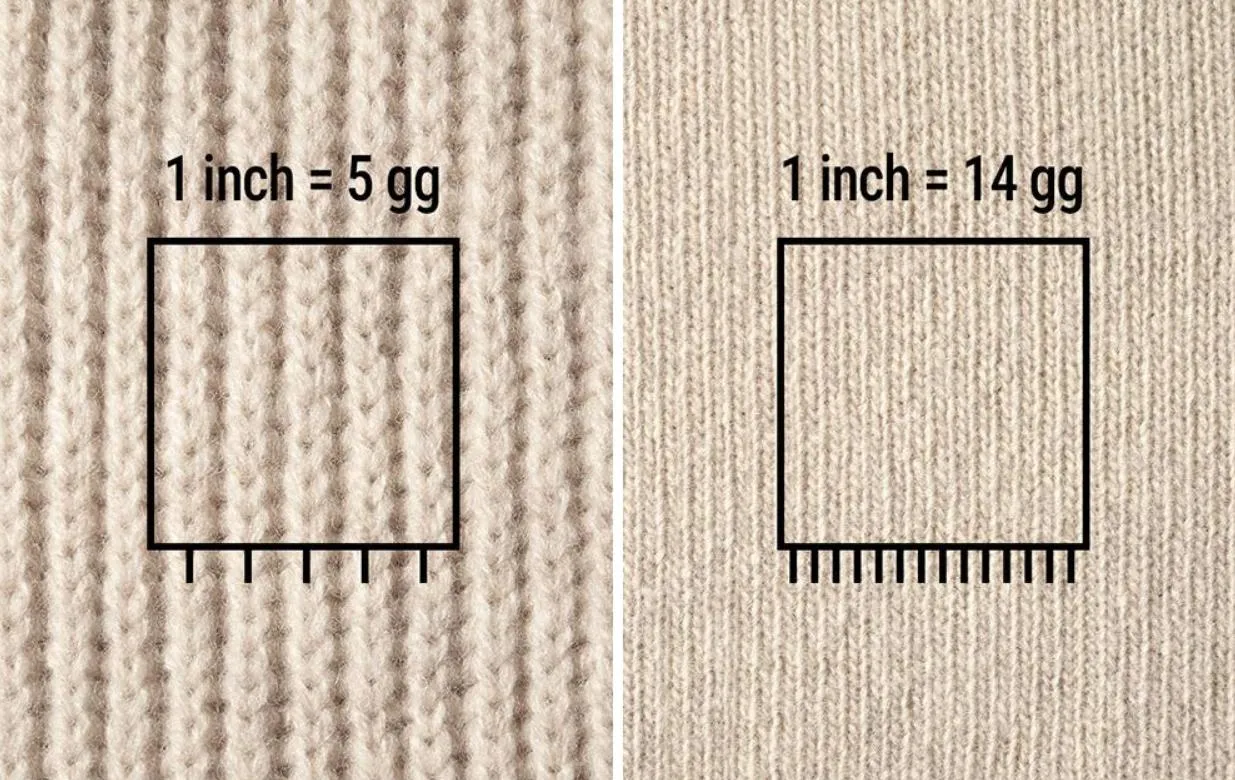
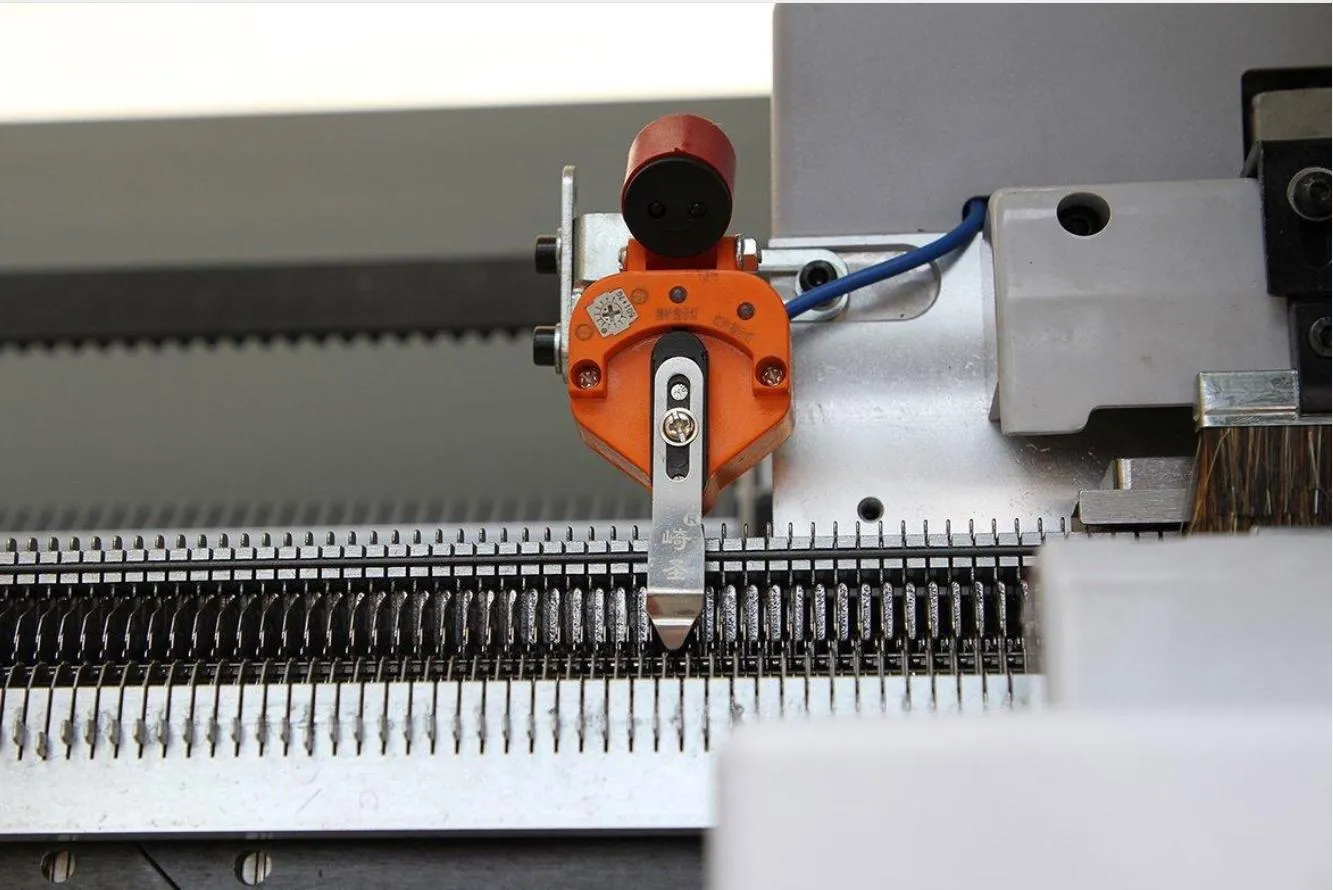
In computerized flat knitting, gauge refers to the number of knitting needles per inch of needle-bed width.
For example:
- 3G: Approximately 3 needles per inch
- 5G: Approximately 5 needles per inch
- 7G: Approximately 7 needles per inch
- 12G: Approximately 12 needles per inch
- 14G: Approximately 14 needles per inch
- 16G: Approximately 16 needles per inch
- 18G: Approximately 18 needles per inch
Generally, a lower gauge has wider needle spacing and can accommodate thicker yarns. A higher gauge has finer needle spacing and is commonly used with thinner yarns to produce finer knitted structures.
However, gauge alone does not determine the final fabric thickness. Yarn count, stitch structure, knitting tension and finishing also influence the result.
2. Understanding Different Knitting Gauges
3G — Chunky and Heavyweight Knitwear
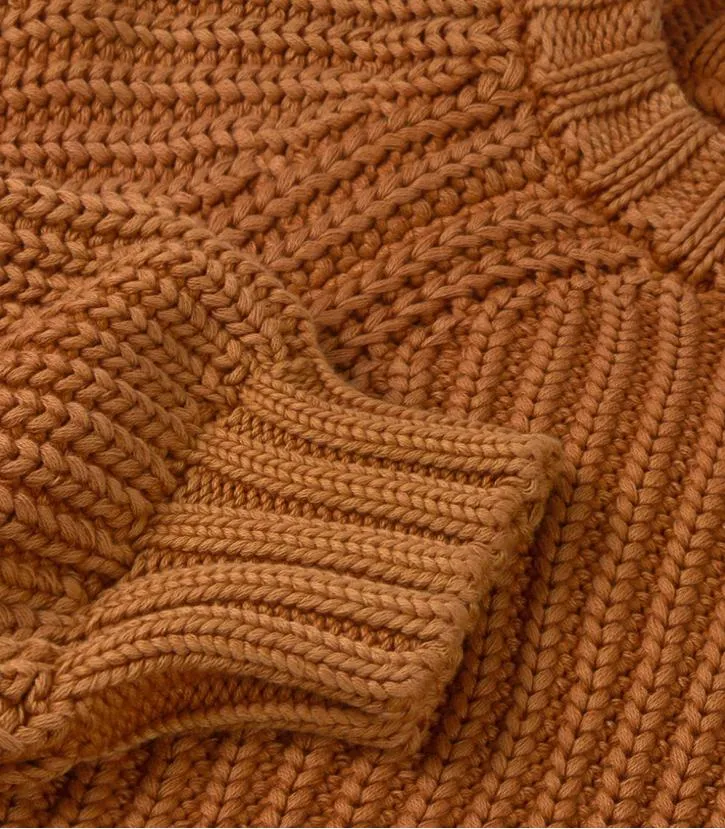
3G is a coarse knitting gauge commonly associated with thick yarns and chunky knitted structures.
It is often suitable for:
- Chunky winter sweaters
- Oversized textured cardigans
- Heavy ribbed knitwear
- Statement knitwear with visible stitches
Because the stitches are relatively large, 3G knitwear can create a bold, textured appearance.
For fashion brands developing oversized winter collections or chunky knit designs, 3G can be a suitable option.
5G — Medium-to-Heavy Knitwear
5G is commonly used for sweaters and cardigans requiring noticeable texture without the extremely chunky appearance of some 3G structures.
Typical applications include:
- Autumn and winter sweaters
- Cable-knit sweaters
- Textured cardigans
- Ribbed knitwear
- Relaxed-fit knitted garments
5G can be useful when a brand wants a substantial knitted appearance while maintaining flexibility in design and construction.
7G — Versatile Medium-Gauge Knitwear
7G is a versatile option for medium-gauge knitted garments.
It can be used for a range of sweater styles, depending on the yarn and stitch structure.
Common applications include:
- Everyday sweaters
- Medium-weight cardigans
- Casual knitwear
- Textured pullovers
- Seasonal fashion knitwear
For brands looking for a balance between visible knitted texture and a relatively refined appearance, 7G may be worth considering.
12G — Fine-Gauge Sweaters and Cardigans
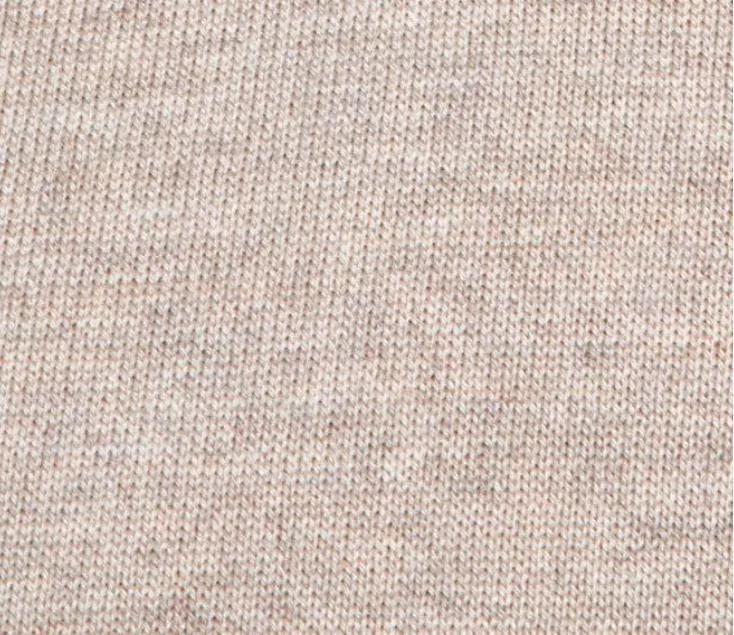
12G is commonly used for fine-gauge knitwear and is particularly suitable for brands seeking a smoother, more refined fabric appearance.
Typical applications include:
- Fine-gauge crewneck sweaters
- Lightweight cardigans
- Knitted polo shirts
- Office and business-casual knitwear
- Fine ribbed sweaters
Compared with lower-gauge knitting, 12G generally produces smaller stitches and a finer fabric surface when paired with appropriate yarn.
For brands developing minimalist knitwear, lightweight sweaters or refined everyday essentials, 12G is often a practical starting point.
14G — Fine and Refined Knitwear
14G is used for fine knitted structures and can help create a smooth, lightweight appearance.
It is suitable for styles such as:
- Fine-gauge women's knitwear
- Lightweight pullovers
- Refined knitted tops
- Fine-knit cardigans
- Minimalist fashion knitwear
When selecting 14G, the yarn specification and desired garment structure should be considered carefully to achieve the intended hand feel and appearance.
16G — Lightweight and Delicate Knitted Fabrics
16G is a finer knitting gauge that can be used for lightweight and delicate knitted garments.
It is often considered for:
- Lightweight spring knitwear
- Fine knitted tops
- Thin cardigans
- Refined fitted knitwear
- Fine-gauge fashion garments
For brands developing lighter collections, 16G can help create a finer fabric surface when combined with suitable yarn and knitting structures.
18G — Ultra-Fine Gauge Knitwear
18G is among the finer gauges used in computerized flat knitting.
It can be suitable for:
- Ultra-fine knitted tops
- Lightweight sweaters
- Fine and smooth knitted fabrics
- Delicate fashion knitwear
Higher-gauge knitting requires suitable fine yarns and careful technical development. The final garment weight and appearance still depend on yarn composition, stitch construction and finishing.
3. Knitwear Gauge Comparison Chart
The following table provides a general overview of common knitting gauges and their typical applications.
| Gauge | Typical Fabric Appearance | Common Applications |
|---|---|---|
| 3G | Chunky, bold stitches | Heavy winter sweaters, chunky cardigans |
| 5G | Substantial, textured knit | Cable knits, winter sweaters, cardigans |
| 7G | Medium-gauge texture | Everyday sweaters, casual knitwear |
| 12G | Fine, smooth knit | Lightweight sweaters, polo knits, cardigans |
| 14G | Fine, refined surface | Fine-knit tops, lightweight pullovers |
| 16G | Very fine, lightweight appearance | Thin cardigans, spring knitwear |
| 18G | Ultra-fine knitted structure | Delicate knitted tops, ultra-fine sweaters |
Note: These are typical applications rather than fixed rules. The actual fabric thickness, weight and hand feel depend on yarn, stitch structure, knitting tension and finishing.
4. Does Higher Gauge Always Mean Better Quality?
No. A higher knitting gauge does not automatically mean better quality.
For example, a well-made 3G chunky wool sweater can be just as high-quality as a fine-gauge 16G sweater. They simply serve different design purposes.
Quality depends on several factors, including:
- Yarn quality and suitability
- Knitting consistency
- Stitch structure
- Garment measurements
- Linking workmanship
- Washing and finishing
- Quality inspection
The best gauge is the one that supports the intended product design and performance requirements.
5. How Does Knitting Gauge Affect Yarn Selection?
Yarn and gauge must be considered together during knitwear development.
Thicker yarns are generally more suitable for coarser gauges, while finer yarns are commonly used on higher-gauge machines.
However, the relationship is not determined by fiber composition alone.
For example, both cotton and wool can be used to create fine-gauge or coarse-gauge knitwear, provided the yarn specifications are suitable.
When selecting yarn for a sweater, manufacturers also consider:
- Yarn count and thickness
- Number of yarn ends used together
- Fiber composition
- Yarn twist and construction
- Desired stitch density
- Garment weight
- Stretch and recovery
- Finishing requirements
This is why choosing a knitting gauge based only on a product photograph may not be sufficient.
A manufacturer may need to develop a knitted swatch to confirm whether the selected yarn and gauge can achieve the desired result.
If you are still deciding which yarn is suitable for your collection, read our guide to choosing the right yarn for your knitwear brand. It explains how fiber composition, season, hand feel, target price and production requirements influence yarn selection.
6. Does Knitting Gauge Affect Sweater Cost?
Yes, knitting gauge can influence production cost, but it is not the only factor.
Different gauges may require different yarn specifications, machine settings and knitting times.
For example, a fine-gauge sweater may require a large number of stitches, while a chunky sweater may use thicker yarn and a greater total material weight.
Production cost can also be affected by:
- Yarn composition and price
- Yarn consumption per garment
- Stitch structure complexity
- Machine knitting time
- Linking and finishing requirements
- Order quantity
- Quality and testing requirements
Therefore, it is not accurate to assume that higher-gauge knitwear is always more expensive or that chunky sweaters are always cheaper.
For accurate pricing, manufacturers should evaluate the complete garment specifications rather than the gauge alone.
7. How to Choose the Right Gauge for Your Knitwear Collection
If you are developing a custom knitwear collection, start with the product you want to create rather than choosing a machine gauge immediately.
Step 1: Define the Desired Appearance
Decide whether you want a chunky textured sweater, a medium-weight everyday knit or a fine lightweight garment.
Step 2: Consider the Selling Season
Think about whether the garment is intended for winter, transitional seasons or a lightweight spring collection.
Step 3: Select a Suitable Yarn
Choose a yarn based on the desired hand feel, appearance, performance and target price.
Step 4: Discuss the Gauge with Your Manufacturer
Share reference images, physical samples, sketches or a tech pack so the manufacturer can recommend an appropriate knitting gauge.
Step 5: Develop a Fabric Swatch or Garment Sample
Sampling allows you to evaluate the actual fabric texture, weight, drape, stretch and overall appearance before bulk production.
If you are new to custom sweater development, read our step-by-step guide to customizing sweaters for your clothing brand.
8. Why Working with a Multi-Gauge Knitwear Manufacturer Matters
For clothing brands developing different knitwear categories, working with a manufacturer that supports multiple gauges can provide greater design flexibility.
For example, a collection may include chunky winter cardigans, medium-gauge casual sweaters and fine-gauge knitted tops.
These products may require different machines, yarn specifications and technical development.
At Xiamen Ainety Garments Co., Ltd., our two production facilities in Xiamen and Longyan operate a combined 210 computerized flat knitting machines and 150 linking machines.
Our knitting capabilities cover 3G, 5G, 7G, 12G, 14G, 16G and 18G, supporting a wide range of custom knitwear designs.
We provide OEM and ODM manufacturing for sweaters, cardigans, children's knitwear, pet sweaters and knitted accessories.
Our standard sample development time is 5–7 days, depending on the design and material requirements.
9. Common Mistakes When Choosing Knitting Gauge
Mistake 1: Assuming Higher Gauge Means Higher Quality
Gauge describes needle density, not overall garment quality. Quality should be evaluated through materials, construction, finishing and inspection.
Mistake 2: Choosing Gauge Without Considering Yarn
A design may not achieve the intended result if the selected yarn and knitting gauge are incompatible.
Mistake 3: Judging Fabric Weight by Gauge Alone
Two garments produced at the same gauge can have different weights because of differences in yarn and stitch structure.
Mistake 4: Skipping Sample Development
Even when the desired gauge is known, physical sampling remains important for confirming the final appearance, measurements and hand feel.
Frequently Asked Questions About Knitwear Gauge
What does 12G mean in knitwear?
12G refers to a knitting machine gauge with approximately 12 needles per inch. It is commonly used for fine-gauge sweaters, cardigans and other refined knitted garments.
What is the difference between 3G and 12G sweaters?
3G has wider needle spacing and is commonly used for chunky knitwear, while 12G has finer needle spacing and is generally used for finer knitted structures. Actual garment thickness also depends on yarn and construction.
Is 16G knitwear thinner than 12G?
16G is a finer knitting gauge than 12G and is commonly associated with finer fabrics. However, a 16G garment is not necessarily thinner in every case because yarn, stitch structure and finishing also affect fabric thickness.
Which gauge is best for winter sweaters?
There is no single best gauge for winter knitwear. Coarser gauges such as 3G, 5G and 7G are often used for chunky winter styles, while fine-gauge sweaters can also provide warmth when suitable yarns and structures are selected.
Can a manufacturer help me choose the knitting gauge?
Yes. An experienced knitwear manufacturer can review your design, reference sample, yarn requirements and target garment weight to recommend suitable knitting gauges for development.
Develop Your Custom Knitwear with Ainety
Choosing the right knitting gauge is an important step in turning a design concept into a finished garment.
At Xiamen Ainety Garments Co., Ltd., we support custom knitwear development across multiple gauges from 3G to 18G, helping clothing brands select suitable yarns, knitting structures and production solutions.
Our standard custom knitwear MOQ can start from 50 pieces per color per size, depending on yarn, design and production requirements.
If you are planning a new sweater or cardigan collection, send us your reference images, tech pack, preferred yarn, estimated quantity and target price.
We can review your requirements and discuss suitable knitting options for sampling and bulk production.
Contact Ainety to discuss your next custom knitwear project.