
OEM vs ODM Knitwear Manufacturing: Which Is Right for Your Clothing Brand?
When clothing brands start looking for a knitwear manufacturer, two terms appear frequently: OEM and ODM.
Both manufacturing models can be used to develop sweaters, cardigans and other knitted products, but they involve different levels of design input and product development support.
If you already have a complete tech pack and clearly defined specifications, OEM manufacturing may be the most suitable approach. If you have a product idea, reference images or a general design direction but still need help turning it into a production-ready garment, ODM development may be more appropriate.
Understanding the difference between OEM and ODM knitwear manufacturing can help you communicate more clearly with suppliers, prepare the right information before sampling and choose a development process that fits your brand.
1. What Is OEM Knitwear Manufacturing?
OEM stands for Original Equipment Manufacturer.
In an OEM knitwear project, the clothing brand usually provides the product design and specifications, while the manufacturer is responsible for turning those requirements into a physical garment and producing it at scale.
The information provided by the brand may include:
- Tech pack
- Technical drawings
- Measurement chart
- Yarn composition
- Color references or Pantone numbers
- Knit structure
- Logo or artwork
- Labels and trims
- Packaging requirements
The manufacturer then evaluates whether the design can be produced as specified, develops the sample and prepares the garment for bulk production after approval.
OEM is particularly suitable for brands that already have an internal designer, product developer or established collection and want the factory to manufacture according to their specifications.
2. What Is ODM Knitwear Manufacturing?
ODM stands for Original Design Manufacturer.
Compared with OEM, ODM generally involves more development support from the manufacturer.
A brand may approach an ODM knitwear manufacturer with:
- A reference photo
- A physical garment sample
- A sketch
- A mood board
- A preferred silhouette
- A yarn or fabric idea
- A general product concept
The manufacturer then helps translate that direction into a product that can actually be knitted and produced.
This may involve recommending suitable yarns, selecting knit gauges, adjusting garment construction, preparing measurements and developing samples.
ODM can therefore be useful for emerging clothing brands, buyers without an internal knitwear development team, or businesses that want to develop new products more efficiently.
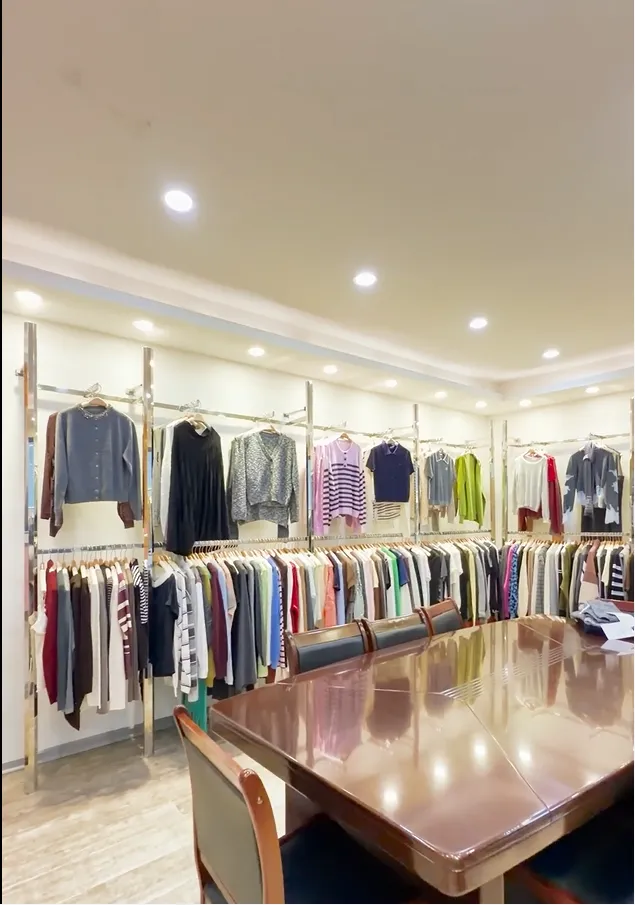
3. OEM vs ODM: What Is the Main Difference?
The main difference is who takes the lead in product development.
| Factor | OEM Knitwear | ODM Knitwear |
|---|---|---|
| Product design | Mainly provided by the brand | Developed with more support from the manufacturer |
| Tech pack | Usually available | May not be complete at the beginning |
| Yarn selection | Often specified by the brand | Manufacturer may recommend options |
| Measurements | Usually provided | Can be developed or adjusted during sampling |
| Development support | More production-focused | More development-focused |
| Best suited for | Established designs and detailed specifications | Ideas, references and products requiring further development |
In practice, the line between OEM and ODM is not always strict.
Many custom knitwear projects combine elements of both. A brand may provide a complete design but still ask the factory to recommend a more suitable yarn, modify a knit structure or improve a construction detail.
4. Do You Need a Tech Pack for OEM Knitwear?
A detailed tech pack is extremely helpful for OEM manufacturing because it reduces ambiguity between the brand and factory.
A useful knitwear tech pack may contain:
- Front and back technical drawings
- Garment measurements
- Yarn composition and yarn count
- Knit gauge
- Stitch or structure details
- Color specifications
- Logo placement
- Labels and trims
- Packaging instructions
However, you do not necessarily need every technical detail finalized before contacting a manufacturer.
For example, a brand may know the desired composition and appearance but need the factory to recommend an appropriate yarn count or knitting gauge.
This is where technical communication between the brand and manufacturer becomes important.
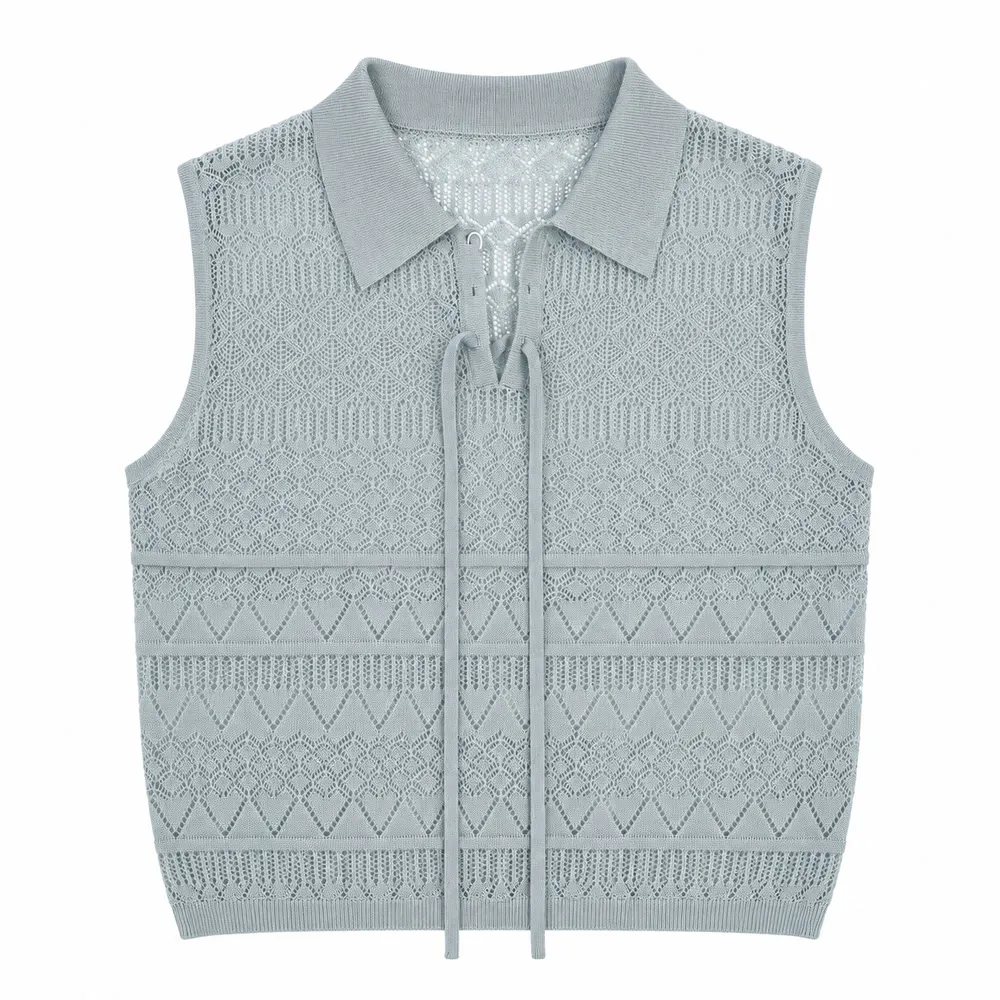
5. What If You Only Have a Reference Photo or Product Idea?
Not every brand starts with a complete technical package.
If you only have a reference photo, sketch or physical garment, the first step is to explain which elements you want to keep and which elements you want to change.
For example:
- Keep the silhouette but change the yarn
- Use a similar knit structure but create a different neckline
- Adjust the garment length
- Change the fit from regular to oversized
- Create different colors
- Add your own logo, label or embroidery
A reference image should be treated as a starting point for development rather than an instruction to copy another brand's product exactly.
The manufacturer can then evaluate the structure and recommend a practical way to develop your own version.
For a complete overview of this process, see our step-by-step guide to custom sweater manufacturing .
6. Yarn Selection in OEM and ODM Projects
Yarn has a major influence on the appearance, hand feel, weight, warmth and price of a knitted garment.
In an OEM project, the brand may already specify the exact composition or yarn requirement.
In an ODM project, the manufacturer may recommend yarn based on:
- Desired hand feel
- Season
- Garment structure
- Target market
- Target price
- Required garment weight
- Design appearance
For example, selecting a yarn simply because it contains wool does not guarantee that it will create the desired garment.
Different wool blends, yarn counts and structures can produce very different results.
This is why yarn selection should be considered together with the design rather than as a separate decision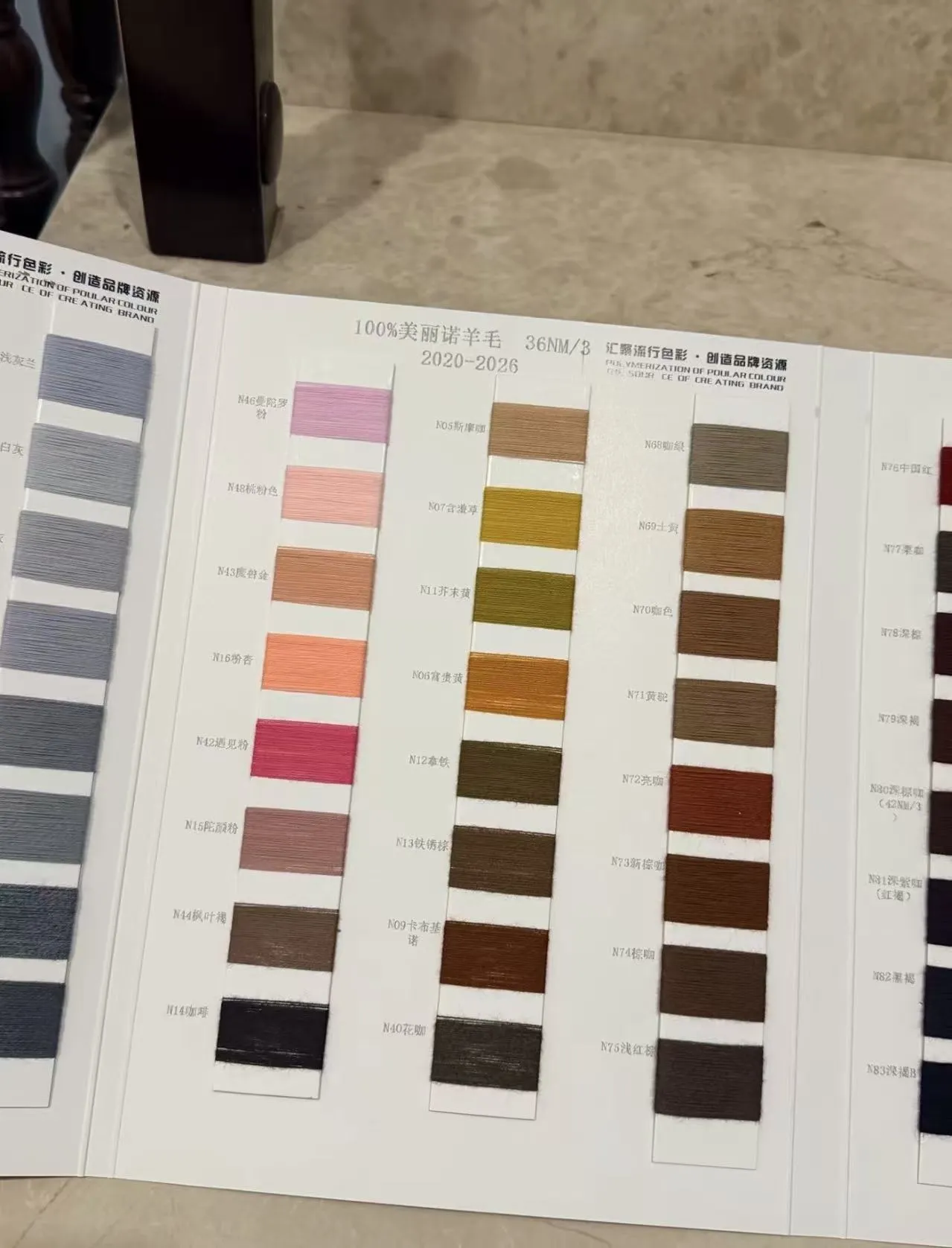
7.Knit Gauge and Structure Also Need to Be Developed
Knitwear is different from ordinary cut-and-sew clothing because the fabric itself is created during the knitting process.
The manufacturer needs to consider the relationship between:
- Yarn thickness
- Knit gauge
- Stitch structure
- Garment weight
- Stretch
- Drape
- Desired appearance
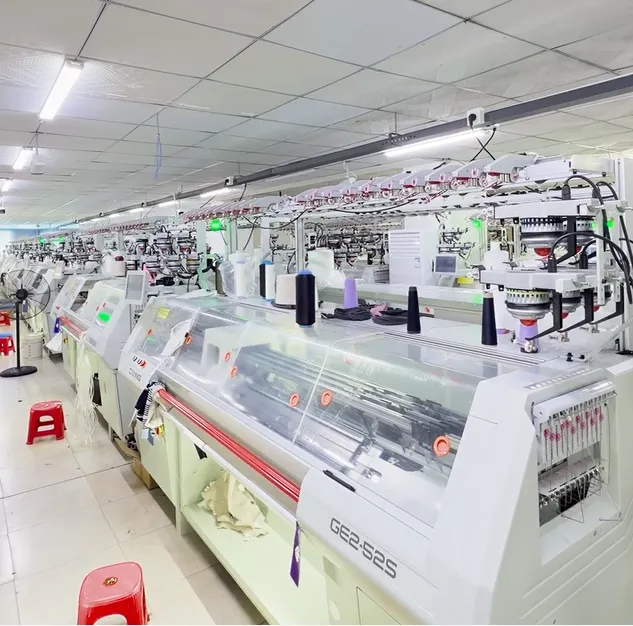
Lower gauges such as 3G and 5G are generally associated with chunkier structures, while gauges such as 12G, 14G, 16G and 18G can be used for finer knitted garments.
At Ainety, our computerized knitting machines cover 3G, 5G, 7G, 12G, 14G, 16G and 18G, allowing different structures and garment weights to be developed according to the product requirements.
8. Sampling Is Important for Both OEM and ODM
Whether you choose OEM or ODM, sampling is one of the most important stages of custom knitwear development.
A physical sample allows both the brand and manufacturer to confirm:
- Yarn and hand feel
- Color
- Measurements
- Fit
- Knit structure
- Garment construction
- Logo and trims
- Overall workmanship
Even when a complete tech pack is provided, the first physical sample may reveal adjustments that are difficult to predict from a technical drawing alone.
This is particularly true for knitwear because yarn, stitch structure and washing can affect the final dimensions and hand feel.
Sample comments should therefore be as specific as possible before the revised sample or bulk production begins.
9. Can OEM and ODM Both Support Private Label Knitwear?
Yes.
Private labeling is separate from whether a project follows an OEM or ODM development model.
Both types of projects can include customized:
- Main labels
- Size labels
- Care labels
- Hangtags
- Embroidery
- Jacquard logos
- Packaging
For clothing brands, these details are normally confirmed during development so the required materials can be prepared before bulk production.
10. Does OEM or ODM Affect MOQ?
The manufacturing model itself does not determine MOQ.
MOQ is more commonly affected by factors such as:
- Yarn availability
- Colors
- Sizes
- Design complexity
- Custom-dyed yarn
- Labels and trims
- Production setup
At Ainety, the standard MOQ for custom knitwear can start from 50 pieces per color per size, depending on the specific design and production requirements.
If you are planning a smaller collection, read our detailed guide: What Is the MOQ for Custom Knitwear Manufacturing?
11. Which Model Is Better for an Emerging Clothing Brand?
There is no single manufacturing model that is right for every emerging brand.
If your team already has professional designs, detailed specifications and established sizing, an OEM approach can provide a relatively direct path from sample development to production.
If you have a clear creative direction but still need support with yarn, measurements, knit structures or production details, an ODM-oriented development process may be more practical.
Some emerging brands use a combination of both approaches: they provide the design direction while relying on the factory for technical knitwear development.
The most important point is to tell the manufacturer what information you already have and where you need support.
12. How to Evaluate an OEM or ODM Knitwear Manufacturer
Whether you need OEM or ODM services, evaluate the actual manufacturing capability rather than relying only on the terminology used on a supplier's website.
Consider asking:
- Does the supplier manufacture knitwear directly?
- What knit gauges are available?
- Can the factory recommend suitable yarns?
- Can samples be developed from a tech pack?
- Can they work from reference images or samples?
- How are sample revisions handled?
- What is the MOQ?
- What quality control processes are used?
- Can labels and packaging be customized?
- Which product categories does the factory specialize in?
If you are currently comparing suppliers, our guide on how to find a reliable knitwear manufacturer in China covers these points in more detail.
13. OEM and ODM Knitwear Manufacturing at Ainety
Xiamen Ainety Garments Co., Ltd. has specialized in knitwear manufacturing since 2006.
We support both OEM and ODM projects for:
- Sweaters
- Cardigans
- Pet sweaters
- Knitted hats
- Scarves
- Gloves
Our manufacturing capabilities include computerized knitting machines covering multiple gauges from 3G to 18G, yarn and color selection, sample development, customized labels and packaging, bulk production and quality inspection.
For brands with complete tech packs, we can evaluate the specifications and develop samples accordingly.
For customers who are still developing their product ideas, reference images, sketches, samples and target requirements can also be used to begin the development discussion.
Frequently Asked Questions About OEM and ODM Knitwear
What is the difference between OEM and ODM knitwear?
OEM generally means the brand provides the design and specifications while the manufacturer handles development and production. ODM usually involves more product development support from the manufacturer, such as helping with yarn, structure, measurements or other technical details.
Do I need a tech pack to develop a custom sweater?
A tech pack is very useful, particularly for OEM projects, but it is not always required to begin a discussion. Reference samples, sketches, product images and measurement information can also be used depending on the project.
Can I develop a sweater from a reference photo?
A reference photo can be used to communicate the desired direction. It is best to identify which elements you want to keep or change so that the manufacturer can develop an original product based on your requirements rather than simply reproducing another brand's design.
Can I use my own brand labels?
Yes. Custom knitwear projects can include main labels, size labels, care labels, hangtags and customized packaging according to the brand's requirements.
What is the MOQ for OEM or ODM sweaters?
MOQ depends primarily on yarn, colors, sizes, design and customization requirements rather than whether the project is classified as OEM or ODM. At Ainety, standard custom knitwear MOQ can start from 50 pieces per color per size, subject to the specific project.
Start Your OEM or ODM Knitwear Project
If you already have a tech pack, send us your specifications together with the estimated order quantity for evaluation.
If your product is still at the idea stage, you can send us a reference image, sketch, physical sample or description of the product you want to develop.
Our team can discuss suitable yarn, knit structure, sampling and production options based on your requirements.
Contact Xiamen Ainety Garments Co., Ltd. to discuss your next custom knitwear collection.